The Tembo-Pilipili Project (Swahili translation of Elephant-Chilli) aims to ensure that farmers living in close proximity to protected areas in Tanzania can sustainably mitigate human-elephant conflict by implementing low-cost, humane strategies while using community cooperatives to finance mitigation measures and create economic opportunities.
The project promotes a culture of coexistence by employing practical mitigation methods that help keep elephants away from crop fields and reduce retaliatory actions against wildlife. Over the past year, chili fences have continued to demonstrate their effectiveness in preventing crop losses across all seven of our project sites.
Our Mission
To provide technical support to communities co-existing with wildlife authorities to sustainably conserve wildlife for the benefit of current and future generation.
Our Vision
To see wildlife is protected from threats that causes wildlife losses.
Promoting the use of humane, sustainable, and cost-effective techniques among communities near protected areas and wildlife staff to prevent wildlife from encroaching on farmlands and human settlements.
Reducing Human-Wildlife Conflict with Alternative Crops
Encouraging farmers in protected area communities to cultivate crops that are unappealing to elephants as an alternative to those commonly consumed by them, helping to minimize economic losses.
Protecting Livestock from Large Carnivores
Supporting community members and wildlife professionals in implementing humane, effective, and sustainable methods to safeguard livestock from predators such as lions, hyenas, wild dogs, and leopards.
Our Model
Our model promotes the use of chili-based methods due to their low cost and the availability of materials locally, making them an effective and sustainable solution.
Tembo Pilipili Program operates nationally across Tanzania, focusing on communities living adjacent to protected areas, wildlife corridors, and conservation landscapes.Current interventions have been implemented in:
Serengeti National Park
In the Bariadi/Serengeti landscape, the Tembo Pilipili Program focuses on reducing crop losses and strengthening the resilience of communities living alongside wildlife.
Tarangire National Park
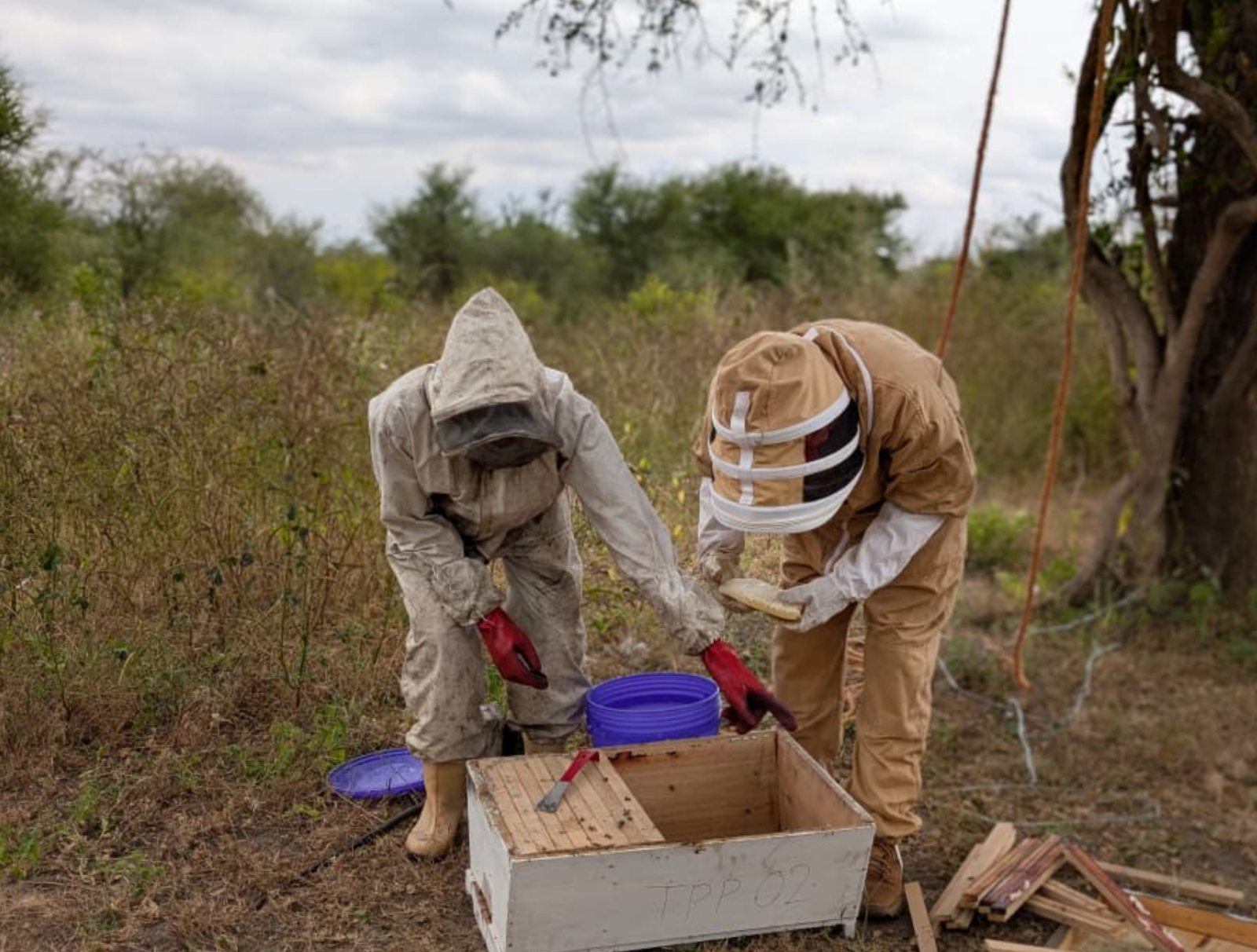
In the Tarangire landscape, the Tembo Pilipili Program promotes beekeeping and beehive fencing as nature-based approaches to human–elephant conflict mitigation.
Ruaha National Park
In the Ruaha landscape, Tembo Pilipili Program promotes an integrated approach that combines beekeeping and chili farming to address Human–Elephant Conflict…
Mikumi National Park
Mikumi is one of the Tembo Pilipili Program’s flagship landscapes for chili farming as a human–elephant conflict mitigation and livelihood strategy.
Ngorongoro Conservation Area
The Ngorongoro landscape represents a complex environment where communities, livestock, agriculture, wildlife and conservation interests interact closely.
Selous Game Reserve
At Lake Manyara, the Tembo Pilipili Program focuses on community-based human–elephant conflict mitigation and livelihood diversification.
TEMBO PILIPILI | Major Achievements
The team possesses expertise in wildlife conservation, community development, environmental education, beekeeping, project management, stakeholder engagement, monitoring and evaluation, and livelihood development.
Human-Wildlife Conflict Mitigation
The Tembo Pilipili Program implements community-based approaches to reduce Human–Elephant Conflict (HEC) and promote peaceful coexistence between communities and elephants.
Tembo Pilipili Program promotes beekeeping as a nature-based conservation approach that simultaneously contributes to biodiversity conservation, community….
The Tembo Pilipili Program conducts environmental education and awareness activities to improve community understanding of elephants, wildlife conservation…
The Tembo Pilipili Program works through strategic partnerships with government institutions, conservation organizations, research institutions, community organizations…
Working directly with local communities to create practical and sustainable solutions.
Conservation Partners
Supporting efforts to protect elephants and their habitats.
Development Partners
Strengthening livelihoods and building resilient communities.
Knowledge Partners
Sharing expertise, research, and innovative approaches.
Volunteer With Tembo Pilipili
Through our community-based beekeeping and api-tourism initiatives, communities learn how to use beehive fences as a non-lethal human–elephant conflict (HEC) mitigation strategy while creating sustainable livelihoods.
Volunteer Experience – Visit to Tarangire National Park
Volunteers will also have the opportunity to visit Tarangire National Park, which is located close to our community-based beekeeping project. This provides volunteers with a unique opportunity to experience Tanzania’s wildlife while learning more about the connection between beekeeping, conservation, community livelihoods, and Human–Elephant Conflict mitigation.
The visit will allow volunteers to experience the wildlife and natural environment of Tarangire while seeing firsthand how communities living near protected areas can contribute to wildlife conservation through sustainable livelihood activities such as beekeeping, honey production, and api-tourism.
Our activities include:
Establishing and managing traditional and modern beehives.
Training communities on beehive ownership, management, and responsible apiary practices.
Learning about different types of beehives, including traditional and improved modern hives.
Training on safe honey harvesting, processing, packaging, and marketing.
Providing knowledge on the use of appropriate protective clothing and equipment for honey harvesting.
Promoting bee tourism (api-tourism), where volunteers can learn about beekeeping, observe apiary activities, and experience honey production.
Linking beekeeping with wildlife conservation, income generation, and community resilience.
Conducting regular beehive inspections to monitor bee colonies, hive condition, bee health, honey production, pests, and other potential challenges.
Important news and updates
Tanzania Turns to Bees to Help Tackle Human-Elephant Conflict
Wildlife experts in Tanzania have launched an innovative approach to reduce human-elephant conflict by using bees as a natural deterrent, in a move aimed at protecting communities and boosting rural incomes.
Chili helps deter elephants, support conservation, and reduce conflict.
Tembo Pilipili has demonstrated the success of two seemingly conflicting concepts: conservation and the safety of people and their property. Initially, local communities saw elephants as enemies….
Community-based solutions for human-elephant coexistence.
In Tanzania, human-elephant conflict is particularly intense in expanding agricultural zones along park borders. Crop-raiding elephants affect livelihoods, reduce food